Regenerative California is working to build a regenerative economy that uplifts communities, advances sustainability, and strengthens the state of California’s food and agriculture system. Through their demonstration farm, the nonprofit is hoping to highlight the potential of regenerative organic farming practices.
California “has always been this incredible leader in terms of social, economic, and ecological progress,” Kristin Coates, Co-Founder and CEO of Regenerative California, tells Food Tank. “And yet, as the fourth largest economy in the world, it’s still quite extractive.” But she wondered what the future could look like if the state prioritized regenerative systems.
To pilot this vision, Coates and her team looked to Monterey County. “At the time, it was considered California’s most wealthy and also poorest county in the state,” she explains. It’s also home to the Salinas Valley, nicknamed the salad bowl of the world.
The Regenerative California team began by interviewing community members to understand the challenges and opportunities they face in creating a more regenerative economy in the region. From these conversations, Coates says that two main themes emerged: the transition to regenerative organic agriculture and the revitalization of the blue economy.
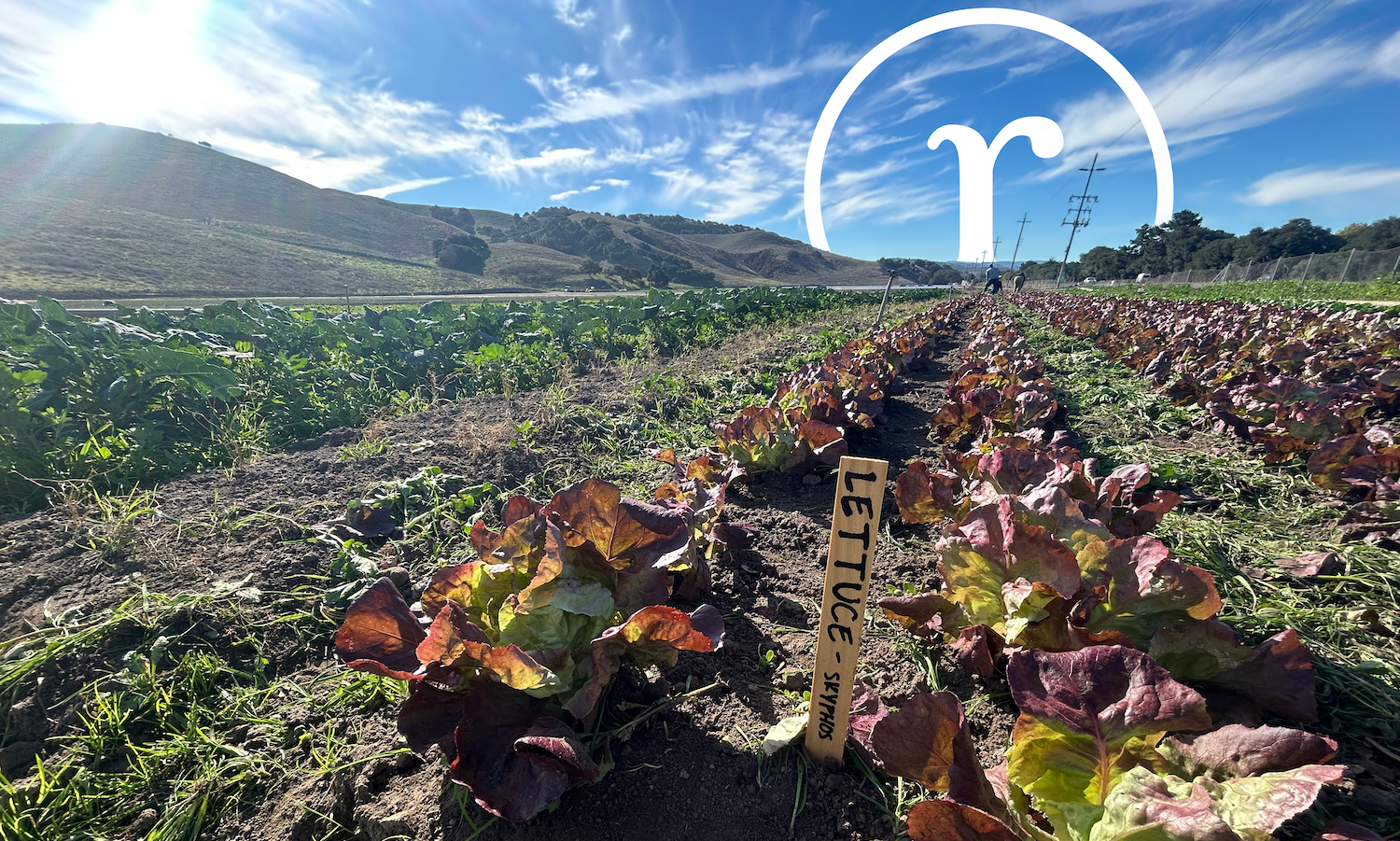
As their priority issues came into focus, they developed a 70-acre demonstration farm, called Regenerate 68! Farm. “Obviously, 70 acres is not going to change the entire system of agriculture in California,” Coates tells Food Tank, “but we’re really using it as sort of a Petri dish.”
Located just off Highway 68 in Monterey County, the farm is a demonstration site for regenerative organic agriculture training, where they can grow nutrient-rich crops. The land is also part of a much larger ranch to be stewarded by the Big Sur Land Trust. Coates says this is an opportunity to prove that their approach to farming can be integrated into broader conservation efforts.
2026 marks the first year that Regenerative California will begin monitoring the farm’s environmental progress. They’re also considering the social and economic benefits that they can offer to farmers and institutional buyers in the area.
Coates recognizes that what’s successful on one farm may not yield the same results on another, but there are ways to translate the lessons they’re learning to scale impact. “We can create a flywheel,” she says. “And we really, genuinely believe that California can lead that work.”
And Regenerative California is capturing the attention of others interested in this transformation. “A dozen other regions want to join in this movement. They want to be the next area where we apply this process of listening, engaging, creating community momentum,” Coates tells Food Tank. “That really excites us.”
This article was written with the support of Katherine Albertson
Articles like the one you just read are made possible through the generosity of Food Tank members. Can we please count on you to be part of our growing movement? Become a member today by clicking here.
Photo courtesy of Regenerative California