

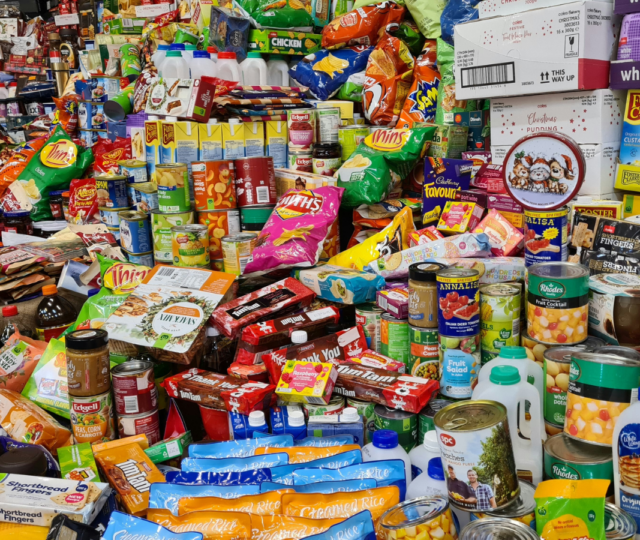



True Cost Accounting reveals the hidden costs of food systems—and how they shape health, environment, and equity.
Public Health
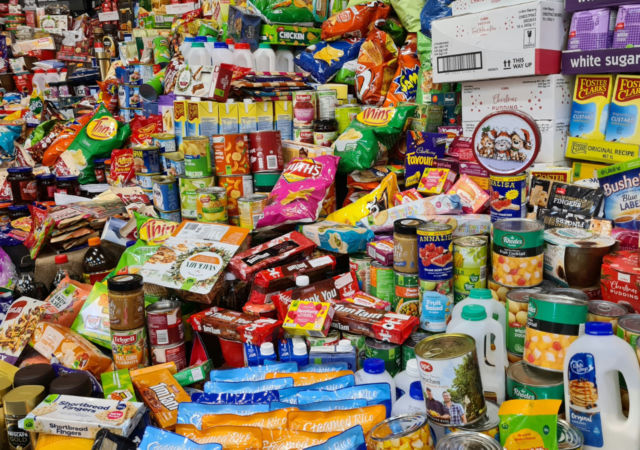
Food Tank Explains: Ultra-Processed Foods
Ultra-processed foods now shape many diets worldwide. Read Food Tank’s primer to learn how they are produced and why experts are concerned.
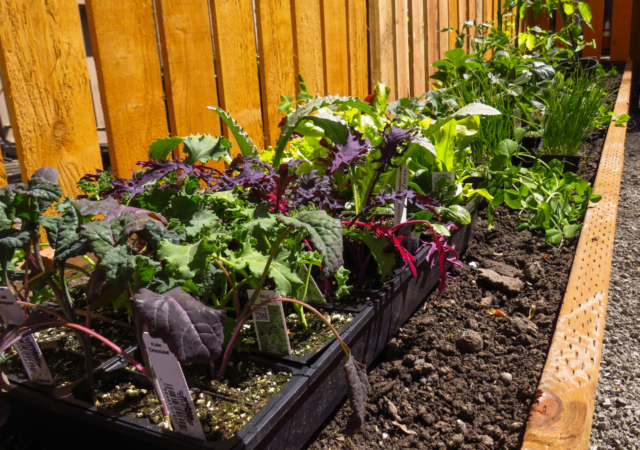
Inside Buffalo Go Green’s Approach to Food, Health, and Care
A Buffalo-based organization is rethinking how food access and healthcare work together to support long-term health.
Food Tank Explains: Food is Medicine
What is Food is Medicine? Read Food Tank’s new primer to learn how FIM uses healthy foods to prevent and treat chronic disease.
Op-Ed | Dietary Guidelines for (Some) Americans: The Impact of Ignoring Health Equity in the DGA
What happened to health equity in the Dietary Guidelines for Americans?
Farm Bill Draft and Executive Order Fuel Debate Over Pesticide Regulations
Environmental advocates say both could significantly reshape the regulation of pesticides in the United States.
Op-Ed | A Toxic Turn for Our Daily Bread: Why GMO Wheat Raises Serious Concerns
GMO has been kept off American fields because farmers, consumers, and trading partners recognize the serious risks it poses. What happens if that changes?
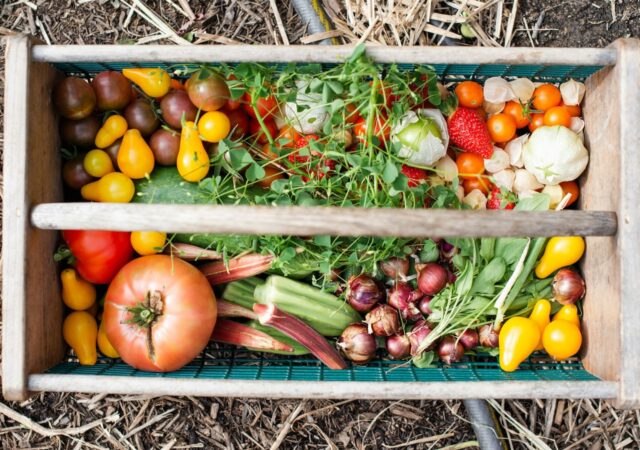
Aspen Institute Launches Community Roadmap to Scale Food is Medicine
Food & Society’s Executive Director, Corby Kummer, gives Food Tank new insight into the new Community Action Plan.

New Pilot Uses Instacart Platform to Improve Grocery Access
What happens when public health, community groups, and tech join forces to solve grocery access?
Food Tank’s Weekly News Roundup: Farm Leaders Warn of Collapse, Investors Ignore Methane, and Nipah Virus Alerts
This week’s roundup covers urgent warnings from farm groups, climate-driven crop shifts, investor inaction on methane, and regional health alerts.

Food Tank’s Weekly News Roundup: Tribal Nations Assert Food Sovereignty, Chile’s Wildfires Expand, and Ethiopia Faces Deepening Hunger
A weekly snapshot of how food systems, climate impacts, and policy decisions are shaping lives from Indigenous lands to classrooms and crisis zones.

Food Tank’s Weekly News Roundup: Soaring Ocean Temperatures, U.S. Retreat from Global Organizations, and 1,000 Days of Conflict in Sudan
This week’s top stories highlight global climate records, U.S. foreign policy shifts, stalled farm legislation, nutrition policy changes, and food insecurity in Sudan.

New Dietary Guidelines Focus on Reducing Processed Foods and Promoting Whole Foods
The Trump administration has released the 2025–2030 Dietary Guidelines for Americans, calling for reduced consumption of processed foods and refined carbohydrates while revising long-standing advice on fats, protein, and dairy.
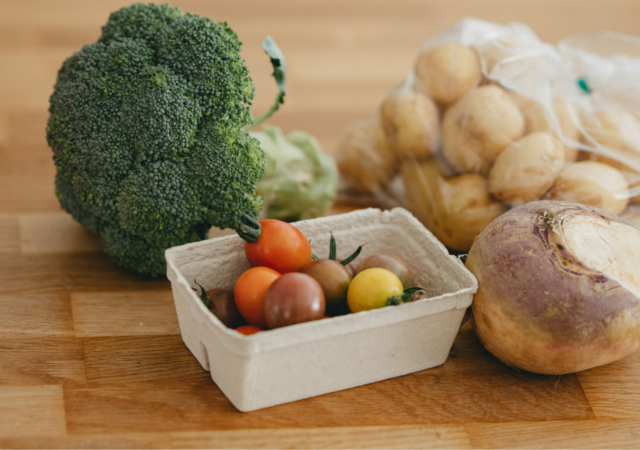
From Checkout to Checkup: Reimagining the Role of the Grocery Aisle in Public Health
Instacart examines how online grocery access, modernized food assistance programs, and food as medicine initiatives can improve nutrition security and public health across the United States.
Food Tank’s Weekly News Roundup: U.S. Farm Bailout, Climate Tech for UAE Farmers, and Gene-Edited Crops in the EU
A look at major policy decisions this week affecting farmers, food systems, and agricultural innovation around the world.

Join Us on Capitol Hill Next Week to Ask: Are We Eating Ourselves Sick?
Food Tank is heading to Capitol Hill to explore a major public health challenge: ultra-processed foods.
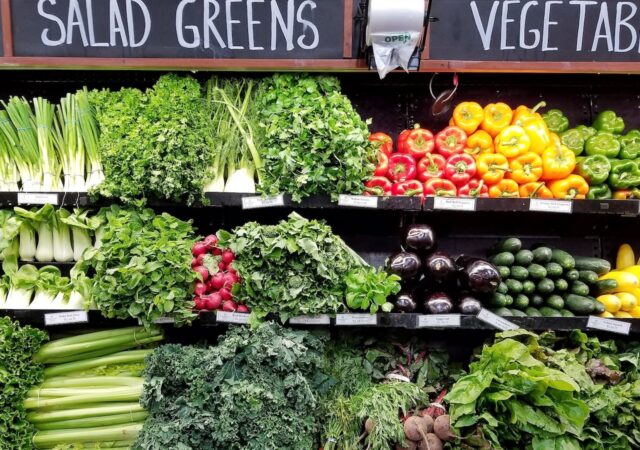
Interrupting the Burden of Chronic Disease
The burden of chronic diseases is rising across the U.S. How do we interrupt the trend?
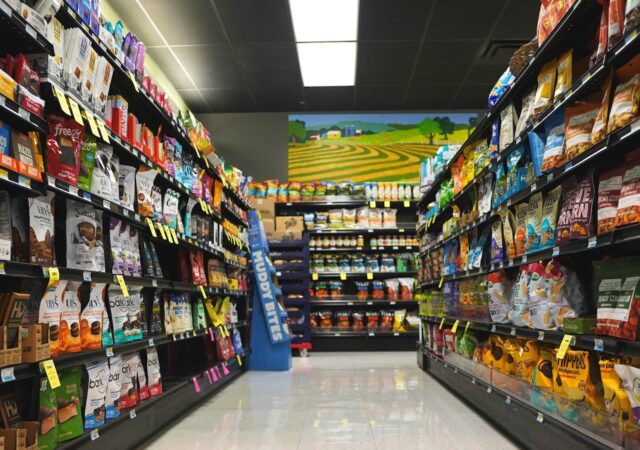
How Obesity and GLP-1s Are Reshaping Food and Public Health
Can drugs like Ozempic help us rethink the forces driving the obesity epidemic?
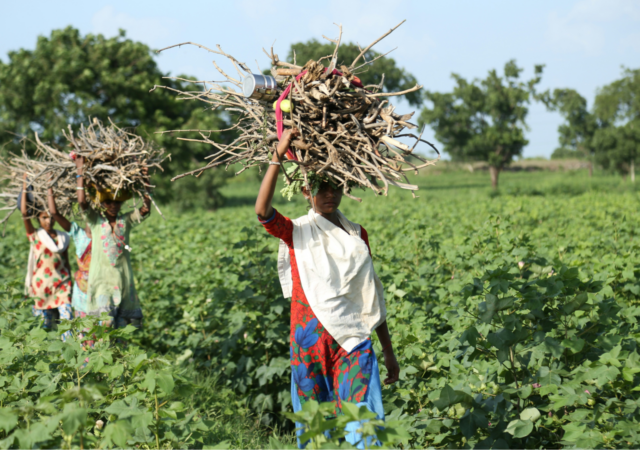
Food Tank’s Weekly News Roundup: U.S. Government Shutdown Continues, High Seas Treaty Takes Effect, and Agroecology Model Yields Benefits
This week’s stories cover cuts to SNAP, USDA shutdown impacts, a global ocean treaty, new dietary guidelines, and agroecology in India.
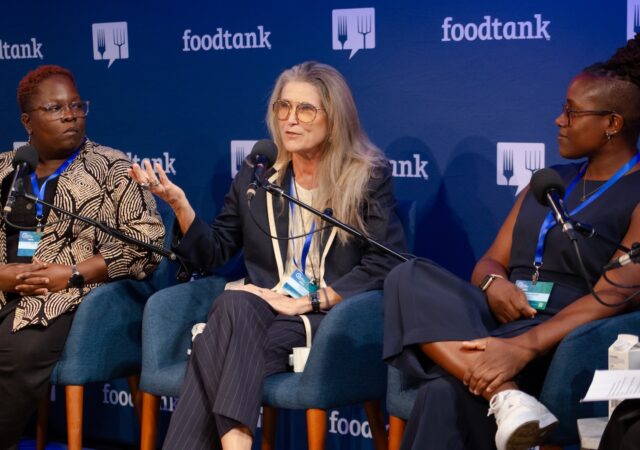
Food Is Medicine Requires Systemic Changes: ‘It’s No One Discipline’s Job to Solve Food Insecurity’
Amid rising food insecurity and cuts to federal nutrition programs, leaders at Climate Week NYC explore how food can be a tool for health, equity, and community resilience.