
True Cost Accounting reveals the hidden costs of food systems—and how they shape health, environment, and equity.
Biodiversity
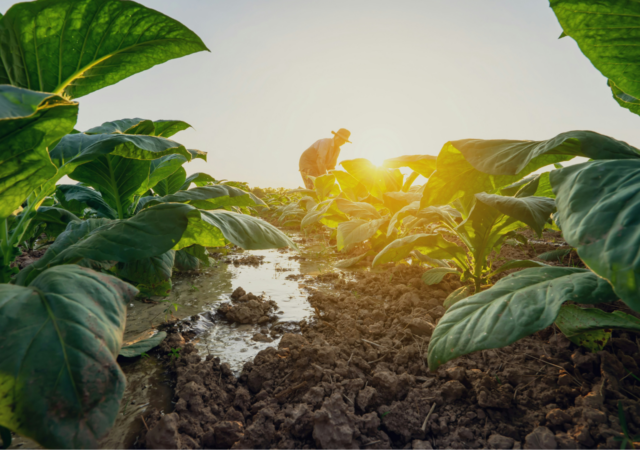
Food Tank Explains: Regenerative Agriculture
What is regenerative agriculture? Food Tank Explains breaks down how regenerative practices build soil strength and resilience, driving climate resilience and crop yield.
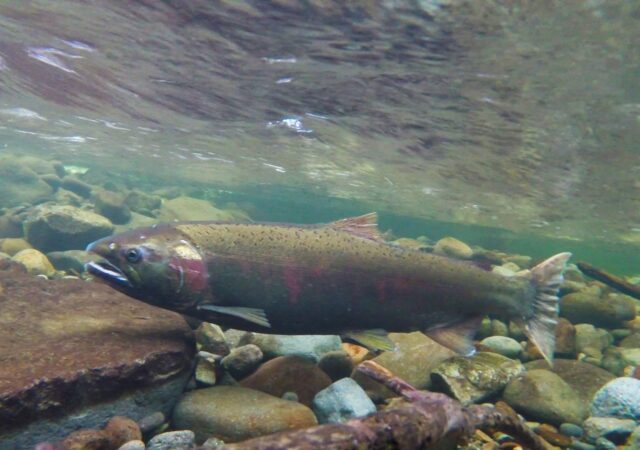
UBC Researchers Fight Tire Toxins Threatening Salmon
UBC researchers are tackling a newly discovered tire chemical that threatens coho salmon and the communities that depend on them.
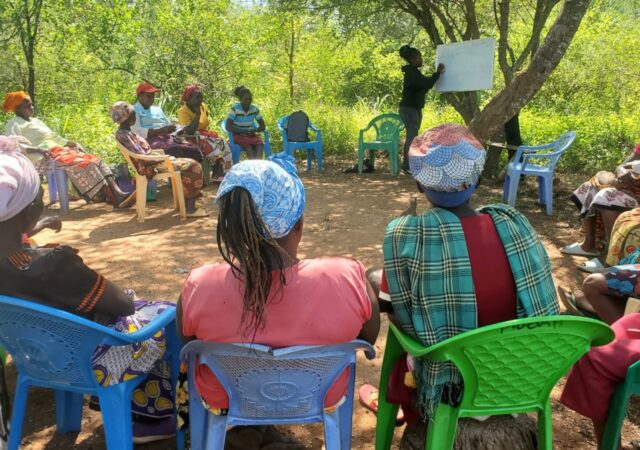
PELUM Kenya Is Advancing a Vision for Climate-Smart Farming
Agroecology “is the future” says Rosinah Mbenya of PELUM Kenya, a network striving to make this a reality.

Food Tank’s Weekly News Roundup: U.S. Grocery Prices Climb, Billionaire Wealth Soars, and Maryland Targets Dynamic Pricing
Groceries cost more, billionaires made more, and Maryland wants to stop dynamic pricing—plus a new treaty aims to protect life in the high seas.
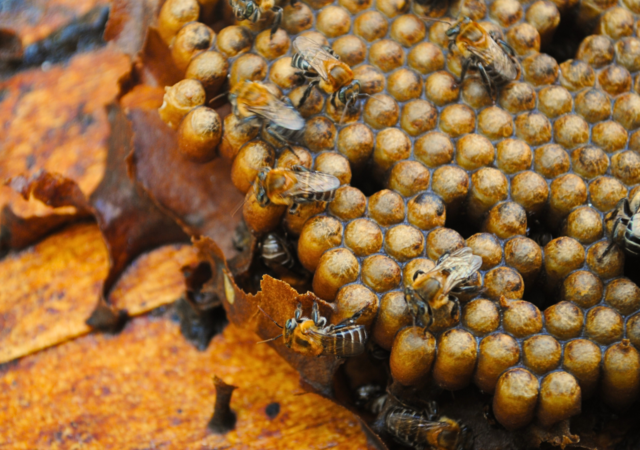
Food Tank’s Weekly News Roundup: Senegal’s Youth Pursue Agriculture, Amazonian Bees Gain Legal Protection, and U.S. Unveils New Dietary Guidelines
This week’s news roundup takes a look at how food systems are changing—from hunger data and dietary guidelines to youth-led farming and shifting food trends.

Restoring the Reefs: Growing Oysters in the Baltimore Harbor
Baltimore Harbor’s oyster restoration program aims to grow 5 million oysters by 2030, restoring the ecosystem and supporting local wildlife.

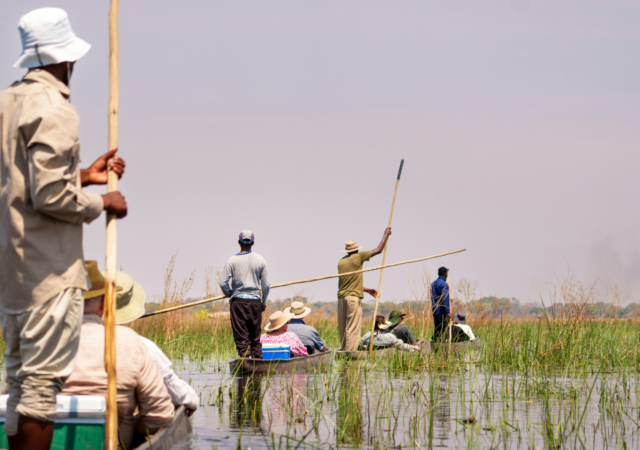
Researchers Say Crops That Nourish Can Transform African Farming
A “Crops that Nourish” strategy can reshape farming across sub-Saharan Africa by centering nutrition, resilience, and community voices.
Food Tank’s Weekly News Roundup: World Bank Biodiversity Warnings, U.S. Regenerative Farm Funding, and After-School Nutrition Gaps
This week’s roundup looks at biodiversity risks, farm funding, pesticide safety, and why millions of children still miss out on after-school meals.

Dispatch from COP30: Saturday, Nov. 15
Week One of COP30 has seen valuable and urgent discussions about the food and agriculture systems we can build to more ambitiously tackle the climate crisis.
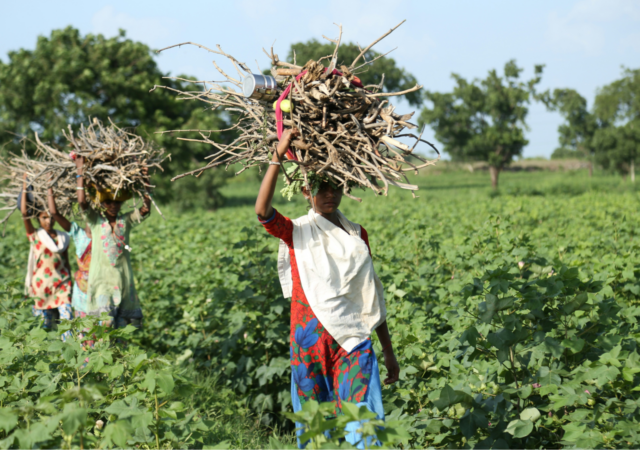
Food Tank’s Weekly News Roundup: U.S. Government Shutdown Continues, High Seas Treaty Takes Effect, and Agroecology Model Yields Benefits
This week’s stories cover cuts to SNAP, USDA shutdown impacts, a global ocean treaty, new dietary guidelines, and agroecology in India.

Enforcement Gaps Threaten Europe’s Marine Protected Areas
A legal and political battle is unfolding over bottom trawling in Europe’s Marine Protected Areas, as fishers defend their livelihoods against growing calls from environmental groups and EU policymakers to phase out the practice.
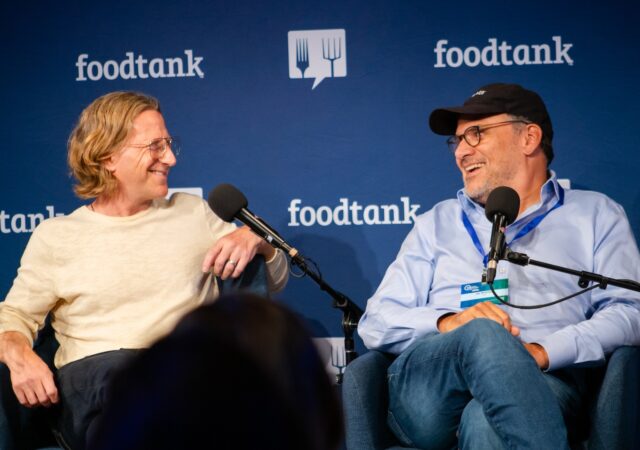
‘All Hands on Deck for Our Planet’: Scaling Regenerative Agriculture With Collaboration
At Climate Week NYC 2025, leaders from across the food system emphasized that scaling regenerative agriculture means prioritizing farmer support, collaboration over competition, and storytelling that connects with eaters.

Food Tank and The Rockefeller Foundation to Spotlight Regenerative Food Systems at Climate Week NYC
Conversations will explore how regenerative school meals can trigger positive impact across the food value chain, from farmer to eater.
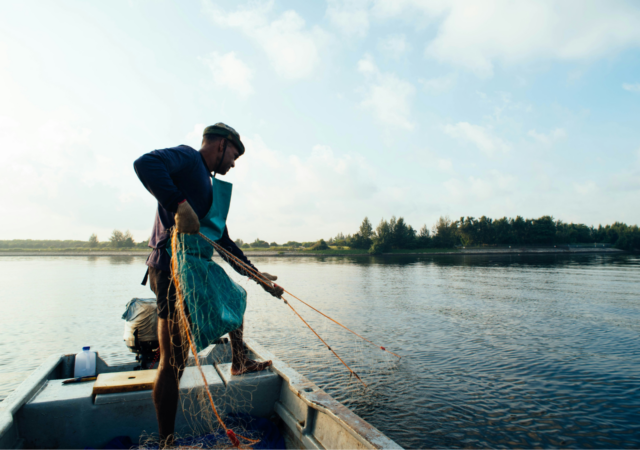
Food Tank’s Weekly News Roundup: Child Poverty in a Changing Climate, Increasing Food Prices, and Indigenous Sea Communities in Malaysia
Explore five urgent stories this week, from Climate Week NYC to collapsing coastal ecosystems and ballooning food prices.
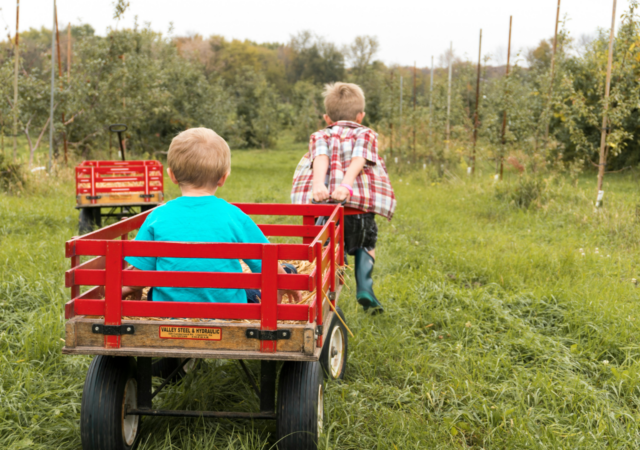
Food Tank’s Weekly News Roundup: Agri-Communities, Soil Science Research Gaps, and Sargassum Solutions
Explore how farming communities, chemical policy, and global aid cuts are shaping the week’s most important food stories.

Under the Canopy: Shade‑Grown Yerba Mate Heals Lives and Land
Shade-grown yerba mate can help restore South America’s Atlantic Forest and support rural communities.
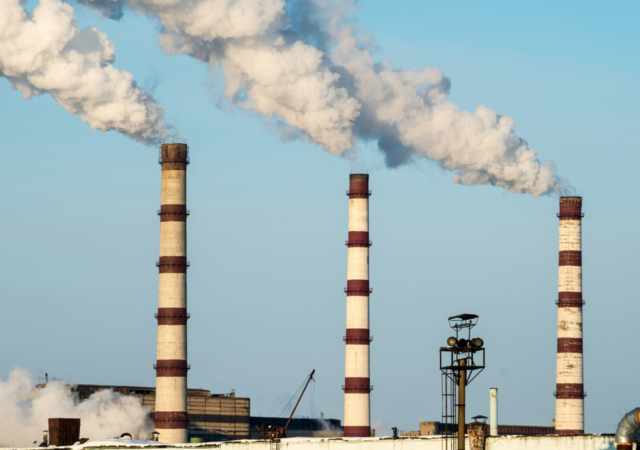
IPES Report Exposes Food System Links to Fossil Fuels and Proposes Solutions
IPES exposes how food systems became the oil and gas industries’ next target—and what to do to break the fossil fuel cycle.

The Climate Is Changing and Science Has Answers—But What Happens if the Funding Dries Up?
The climate crisis is hurting farmers as research funding falls.

Pollinators Are More Diverse than We Think—And Face Challenges We Aren’t Fully Addressing
Pollinators are in trouble. Without them, our food systems and the way we eat wouldn’t be the same.